Review case analysis
Determining the Optimal Criminal Defense Advocate: Maintaining Your Rights and Future
Determining the right criminal defense counsel is a essential decision. An experienced counsel can markedly shape the outcome of a matter. They navigate complex legal systems while developing effective strategies. Parties must grasp what to identify in an counsel, including specialization and client feedback. The effort may seem challenging, but understanding the essential qualities and queries to raise can guide this critical selection. What steps should one take to ensure they make the best decision?
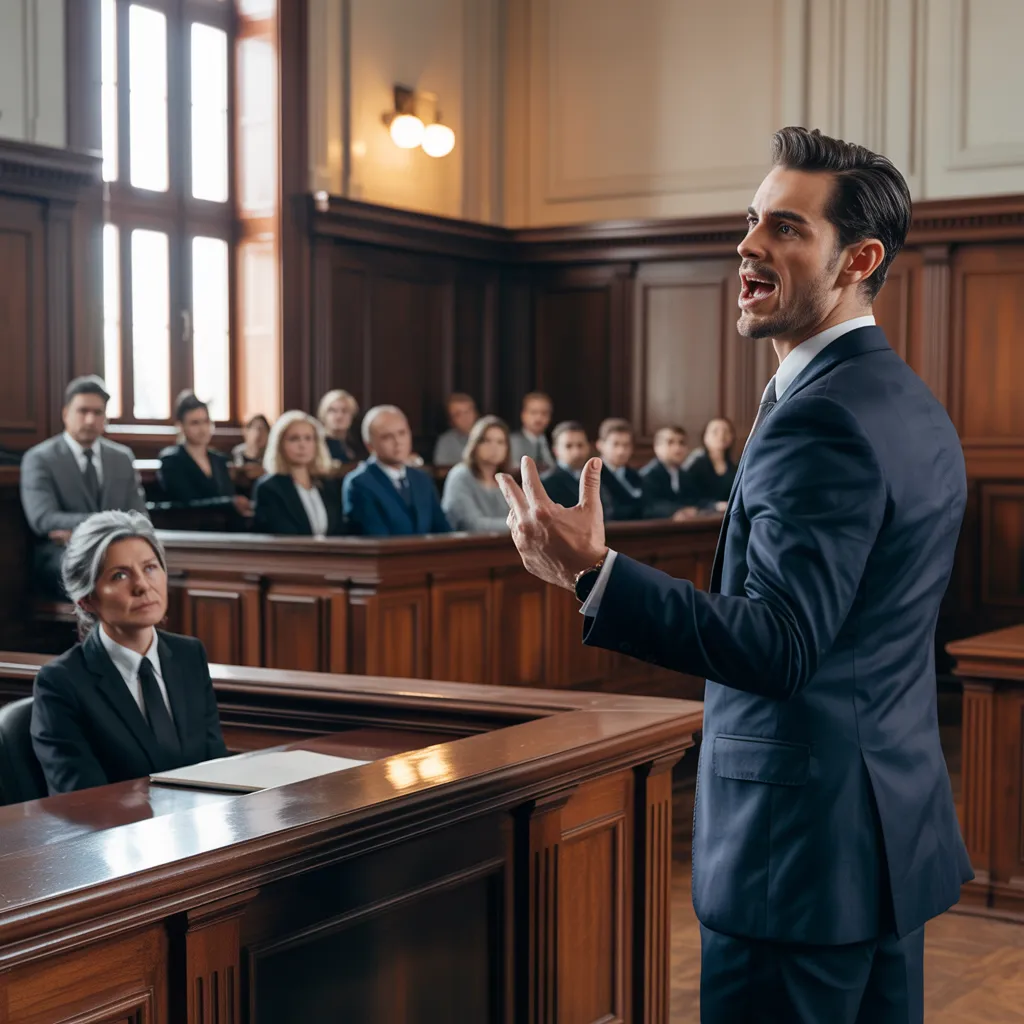
Comprehending the Tasks of a Criminal Defense Counsel
Recognizing the significance of a criminal defense lawyer is necessary for anyone working through the complexities of the legal system. These legal professionals serve as advocates for individuals charged with crimes, guaranteeing that their rights are maintained throughout the judicial process. A criminal defense lawyer examines the details of a case, investigates evidence, and develops strategies to contest the prosecution's arguments. They provide important counsel, guiding clients comprehend their options, potential outcomes, and the implications of plea deals.
Additionally, these lawyers represent their clients in court, presenting defenses and bargaining with prosecutors. They work diligently to achieve the most favorable outcomes, whether through case dismissal, lessened charges, or exoneration. Their expertise extends to understanding legal procedures, guaranteeing that the accused traverse the system effectively. Ultimately, a skilled criminal defense lawyer plays an important role in protecting the accused's future and aiming for justice.
How Experience and Specialization Bear on Your Case
When choosing a defense lawyer for criminal cases, the experience and expertise of the legal professional can markedly determine the outcome of a case. An attorney with wide-ranging experience in criminal legal practice often maintains a deeper understanding of fine legal points, courtroom practices, and negotiation strategies. This grasp can be imperative in crafting effective defenses and traversing complex legal landscapes.
Specialization also plays an crucial role; attorneys concentrating exclusively on defense law are better positioned to stay updated on recent legal developments and case law. For instance, a lawyer focusing on narcotics crimes will have knowledge and approaches that differ markedly from those relevant for corporate offenses.
Moreover, competent attorneys commonly have established relationships with judges and prosecutors, which can permit more preferable plea deals or outcomes. Therefore, picking a lawyer with the right proportion of experience and specialization can greatly influence both the legal strategy and the eventual verdict.
Essential Qualities for an Competent Criminal Defense Counsel
Understanding the fundamental traits of an accomplished criminal defense attorney is necessary for anyone encountering legal obstacles. Important characteristics include proven background in court, strong communication skills, and deep legal expertise. These qualities not only strengthen the attorney's ability to represent proficiently but also instill assurance in their clients.
Verified Experience In Judicial Proceedings
Proven experience in court operates as a pillar for any skilled criminal defense attorney. This experience not only improves an attorney's comprehension of courtroom procedures but also provides them with the skills essential to handle complex legal landscapes. A experienced attorney has likely encountered various case scenarios, allowing them to predict potential challenges and formulate effective strategies. Their prior courtroom appearances show a familiarity with judges, opposing counsel, and jury dynamics, which can significantly influence the outcome of a case. Additionally, a robust track record in court can instill confidence in clients, assuring them that their defense is in capable hands. Ultimately, an attorney's credentials serves as a crucial component in defending a client's rights and shaping their future.
Robust Dialogue Proficiencies
Courtroom effectiveness tactics are only a portion of what ensures a criminal defense attorney's success. Strong communication abilities are equally vital, allowing attorneys to explain complex legal concepts clearly to their clients, juries, and judges. An effective lawyer must listen actively, guaranteeing they fully understand their client's issues and demands while also answering any questions. This two-way communication builds trust, which is essential to fostering a strong attorney-client relationship. Moreover, persuasive oral and written communication skills aid in crafting powerful arguments and presenting evidence efficiently. The ability of a defense attorney to articulate their case can substantially impact the outcome, underlining the importance of effective communication in navigating the complexities of the legal system and advocating effectively for their clients.
Comprehensive Legal Expertise
While effective communication skills are important, deep legal knowledge remains the cornerstone of a competent criminal defense attorney. An accomplished lawyer must have a thorough understanding of criminal law, including laws, case law, and procedural rules. This expertise allows them to handle complex legal situations, evaluate the pros and weaknesses of a case, and develop strategic defenses. Familiarity with local laws and regulations can also provide an advantage in negotiations and court proceedings. Moreover, an attorney’s knowledge of legal precedents aids in anticipating the prosecution’s moves, enabling proactive defense strategies. Ultimately, deep legal knowledge empowers a criminal defense attorney to protect clients' rights and advocate effectively, making it an essential quality in the pursuit of justice.
What Issues Should You Discuss With Potential Counsel?
When selecting a criminal defense lawyer, which points should one stress to ensure the best fit for their situation? First, ask regarding the lawyer's experience with cases similar to yours. Learning their track record can shed light on their effectiveness. Next, inquire into their strategy for your representation and how they aim to handle your case. This will reveal their analytical skills and level of preparedness.
It's also vital to discuss fees and payment structures. Making costs clear from the start helps prevent confusion later. Additionally, inquire about correspondence; knowing how often and in what manner the lawyer will inform you is essential for maintaining a strong client-lawyer relationship.
Finally, request client feedback and reviews from past clients. This can offer important insights on the attorney's track record and customer contentment. By asking these targeted questions, people can choose wisely when selecting their attorney.
Why Customer Reviews Are Important When Selecting a Attorney?
Client testimonials serve as an indispensable resource when selecting a criminal defense attorney, providing valuable insights into their experience and results. These reviews can illustrate an attorney's ability to tackle complex cases and interact effectively with clients. In addition, constructive feedback can help evaluate the trustworthiness and credibility of a prospective lawyer.
Perspective Regarding Experience
Understanding the layers of a criminal defense lawyer's track record is paramount, particularly when considering the impact of client reviews. Reviews often provide insight into a lawyer's ability to work through complex cases and their prowess in court. Clients frequently share their accounts regarding rapport, case management, and conclusions, which can reveal a lawyer's strengths and weaknesses. Positive reviews may indicate a lawyer's mastery in specific areas of criminal law, while negative feedback can highlight potential red flags. Additionally, the volume of reviews may reflect a lawyer's reputation within the legal community. By scrutinizing this feedback, potential clients can make informed decisions, ensuring they choose a lawyer who fits with their specific needs and expectations for defense.
Trustworthiness Evaluation
Evaluating a lawyer's trustworthiness is crucial in the selection process. Client reviews function as a significant gauge of a lawyer's dependability and integrity. Positive testimonials can indicate a lawyer's ability to communicate effectively, copyright ethical standards, and advocate fiercely for their clients. Conversely, negative reviews may reveal patterns of unprofessional behavior or inadequate representation. Prospective clients should seek out reviews on multiple platforms to obtain a thorough view of the lawyer's reputation. Additionally, personal recommendations from dependable sources can further validate a lawyer's credibility. Ultimately, evaluating client feedback allows individuals to make informed decisions, ensuring they choose a criminal defense lawyer who will protect their rights and future with diligence and integrity.
What Prices Do Criminal Defense Lawyers Usually Charge?
To what extent can you determine the cost of securing a criminal defense attorney? The rates charged by defense lawyers can vary considerably depending on multiple circumstances. Location constitutes a major consideration; lawyers in metropolitan regions often levy higher costs than those in pastoral settings. The attorney's background and reputation also modify rates, with experienced veterans frequently commanding higher rates
Defense attorneys may use different billing dive in structures, such as hourly rates, fixed fees, or performance-based fees, based on the case type. Hourly rates can range from $100 to $500 or more, while fixed fees could span a few thousand dollars to tens of thousands, depending on the case's complexity.
Moreover, people should consider any extra fees, such as court fees, expert witness expenses, and administrative charges. Knowing these aspects can help clients make informed decisions when picking a defense attorney.
Working With Your Attorney for a Effective Defense
After engaging a legal representative and negotiating fees, the next step requires forging a cooperative bond to build a powerful defense strategy. Honest communication is vital; clients must provide their attorney with all pertinent details surrounding the case. This honesty empowers the attorney to craft a tailored defense that tackles distinct circumstances and impediments.
Clients must actively participate in the defensive proceedings by posing inquiries and requesting explanation on legal terms and processes. This engagement fosters a more comprehensive grasp of the case and enables clients to take educated action.
Additionally, stakeholders should be willing to accept their legal advisor's observations and proposals, as veteran lawyers can detect strengths and weaknesses in the defense. Regular meetings and updates can deepen this collaboration, ensuring both parties are aligned in their approach. Ultimately, a effective partnership between client and attorney is essential for working through the complexities of the judicial system and achieving the most desirable end result.
Typical Questions Answered Regularly
Is it Possible for a Criminal Law Lawyer to Ensure a Particular Result?
A defense attorney cannot assure a specific outcome. Legal trials are fundamentally unpredictable, shaped by numerous variables. However, a skilled lawyer can deliver a powerful defense and boost the chance of a positive outcome.
What Actions Can I Take if I Can't Afford a Attorney?
If unable to afford a lawyer, people should research public defenders, legal aid organizations, or pro bono services. They may also contemplate negotiating payment plans or finding aid from community resources for legal support.
What Timeline Should I Expect for My Case Settlement?
Cases vary considerably in length, often spanning from a few months to several years. The schedule is affected by elements such as case complexity, court calendars, and strategies used by both the defense and prosecution.
What Occurs if I Plead Guilty Plea?
If someone enters a guilty plea, they generally acknowledge culpability for the offense, causing a conviction. This might produce sentencing, comprising fines, probation, or incarceration, substantially impacting future opportunities and legal standing.
Can I Replace My Attorney During My Case is Ongoing?
Yes, a accused can change their lawyer during a case. However, this action may involve informing the court, potential postponements, and making certain the replacement attorney is properly informed about the specifics of the matter.